

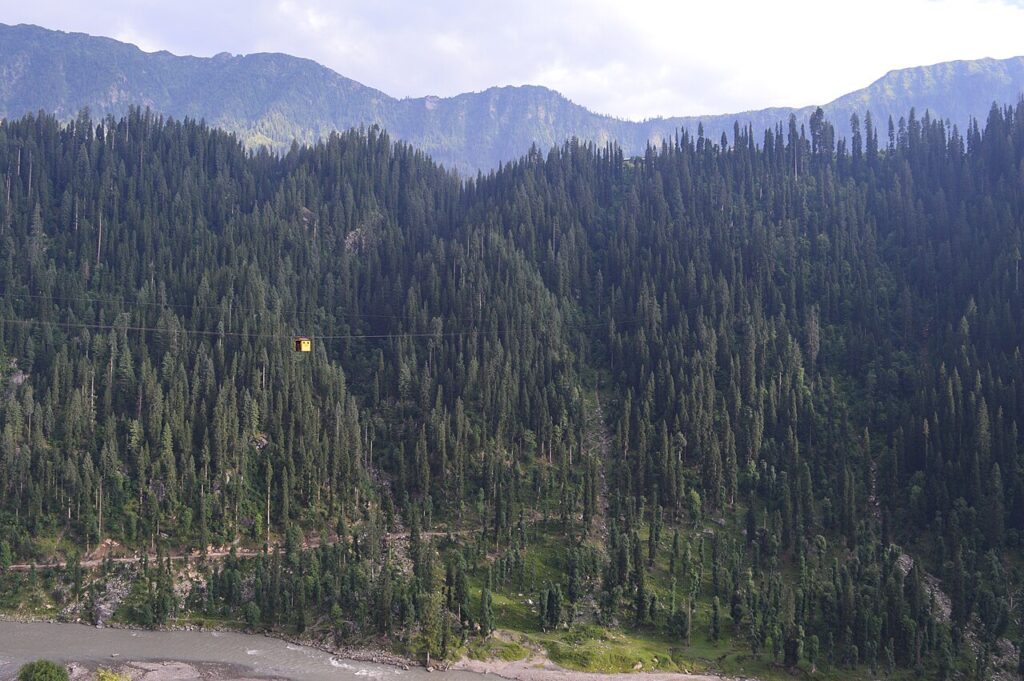
On the morning of 22 August 2023, two of the three cables holding a small cable car above a ravine in Battagram’s Allai tehsil snapped. Eight people were left hanging, six of them schoolboys on their way to class, roughly 900 feet above the river. For most of the day Pakistanis watched the trolley turn in the wind on live television, while army helicopters struggled against the gusts and the light ran out. The rescue took about fourteen hours, and the final passengers were brought down in darkness by local men working their way along the one cable that still held.
Three years later that day has become Hanging by a Wire, a 77-minute documentary by Mohammed Ali Naqvi, produced with the writer Bilal Sami, that premiered at Sundance in January and has since played Tribeca, Sydney and Seattle. Late last week Pakistan’s selection committee chose it as the country’s entry for Best International Feature at the 99th Academy Awards. As Images reported on 2 October, it is the first documentary Pakistan has ever submitted in that category. The entry is not a nomination; the Academy publishes its shortlist in December and its nominees in January 2027.
The selection is a sound one, and the reasons are worth setting out alongside the film’s limitations. Hanging by a Wire is a deliberately commercial documentary, built like a disaster thriller, and its strengths and weaknesses both come from that choice. Its strength is that it tells a Pakistani story with the urgency and polish usually reserved for Hollywood survival films. Its weakness is that, in moving so fast, it leaves out much of what made the day in Allai more than a rescue.
What happened in Battagram in August 2023
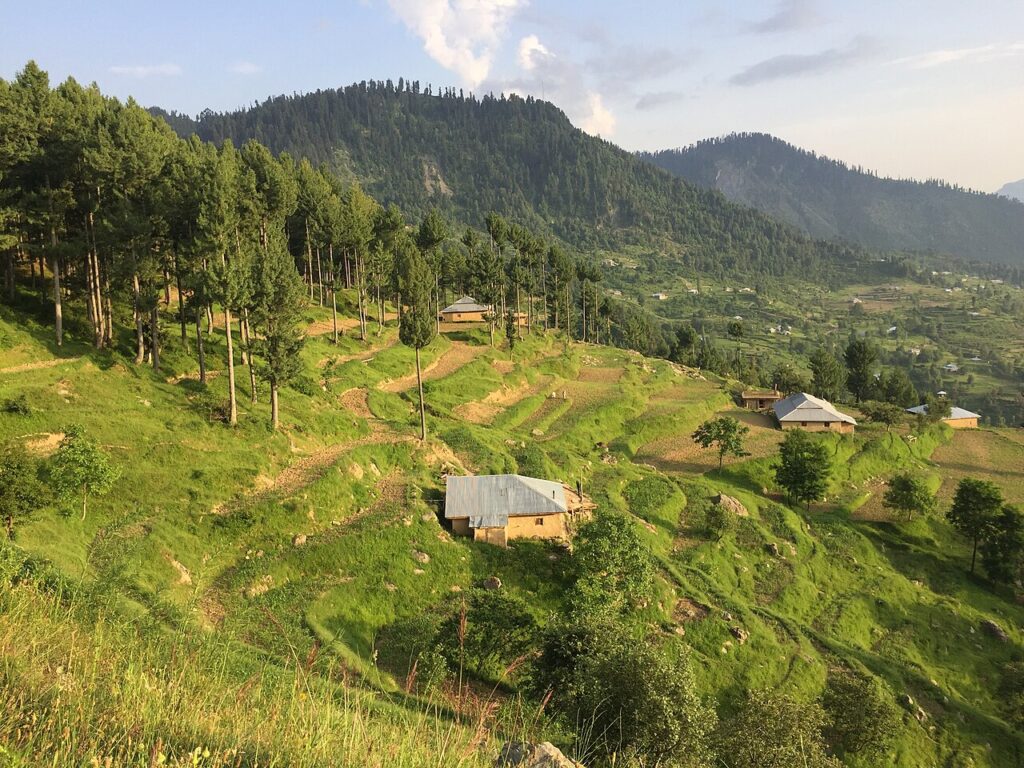
The cable car was not a tourist ride. As Dawn reported the day after the rescue, around 150 students used it daily to cross the river to school, because the area had no road or bridge that did the job. That detail explains why the story gripped the country. The children were not thrill-seekers in a hill resort; they were doing what they did every morning, on infrastructure that the state had never provided and that local people had improvised for themselves.
The rescue that followed drew on everyone at once. Helicopters from the army were able to lift only part of the group before high winds and nightfall stopped them. Rescue 1122 teams set up nets below, the district administration and police coordinated from the ground, and the remaining passengers were reached by local men who knew the cables, harnessed in and travelling along the surviving line. When the last person came down, the caretaker prime minister praised the teamwork between the military, rescue services and locals, a framing the documentary shares.
Mohammed Ali Naqvi and a change of approach

Naqvi is not new to international documentary. His 2006 film Shame, about Mukhtaran Mai, won him an Emmy, and Among the Believers (2015) followed the Lal Masjid cleric Abdul Aziz and the children in his madrassas. Insha’Allah Democracy (2017) and The Accused: Damned or Devoted? (2020) both earned Emmy nominations. Those films share a sober, investigative register, and most of them were about Pakistan’s crises as seen by audiences abroad.
Hanging by a Wire is a conscious break from that work. In an August interview with Madeeha Syed for Dawn’s Icon, Naqvi explained that after two decades he no longer wanted to translate Pakistan for Western viewers or, in his words, “perform trauma” for them. He wanted the rescuers treated with the agency Hollywood gives its heroes, and the district police chief shown as competent rather than as someone explaining the obstacles placed in her way. The film was shot over about two and a half years, quickly by his standards, with a largely Pakistani crew, and it reached Sundance as a near-finished cut. That context matters, because nearly every strength and flaw critics have identified follows from this decision.
How the film tells the rescue
The film is assembled from footage that already existed (phone videos shot by villagers, drone material and the television coverage that turned the incident into a national vigil) together with interviews and staged reconstructions. Its central figures are the people who made the rescue happen: the district police chief Sonia Shamroz, the local cable builder Sahib Khan, who calls himself a “sky pirate”, and Ali Swati, a zip-line operator brought in with his equipment. Reviewers also noted the presence of the trapped boys’ fathers and of the television reporter whose live reports carried the story beyond Khyber Pakhtunkhwa.
The structure is that of a disaster film, with a ticking clock, failed attempts and a final push in the dark, and Naqvi himself has described it as exactly that, a disaster film that really happened. Several reviewers, including ScreenAnarchy’s Mel Valentin, singled out the contrast between Sahib Khan and Ali Swati, an unofficial rescuer and an official one with very different claims to the job, as the film’s most human thread. The same reviews make clear that the editing and score are pitched at a festival audience that has never heard of Battagram, so that a good deal of the film’s momentum comes from that craft rather than from the footage alone.
What the critics found missing
The reviews out of Sundance were broadly warm but consistent in their reservations. Brian Tallerico, writing for RogerEbert.com, called it one of the most polished documentaries of the festival while finding it a little too clean, with dramatic sound design and a score doing work the story did not need. John Fink of The Film Stage praised its brisk pacing but argued that it only scratches the surface, steering around questions of class and the gap between rural communities and the urban officials who arrived to manage them. Mel Valentin at ScreenAnarchy found the reconstructions the weakest element and wanted a longer film.
These criticisms are connected, and they point to a real cost of Naqvi’s choice. By refusing to dwell on poverty or neglect, the film avoids the condescension of so much foreign coverage of Pakistan, which is a genuine achievement. But the reason 150 children crossed that ravine every day is itself part of the story, and a film that celebrates the ingenuity of Allai’s residents without asking why they were forced to be so ingenious risks turning a policy failure into a feel-good adventure. At 77 minutes there was room for that question, and its absence is the most serious objection a demanding viewer, or Academy voter, could raise.
Pakistan’s Oscar record and what this entry changes
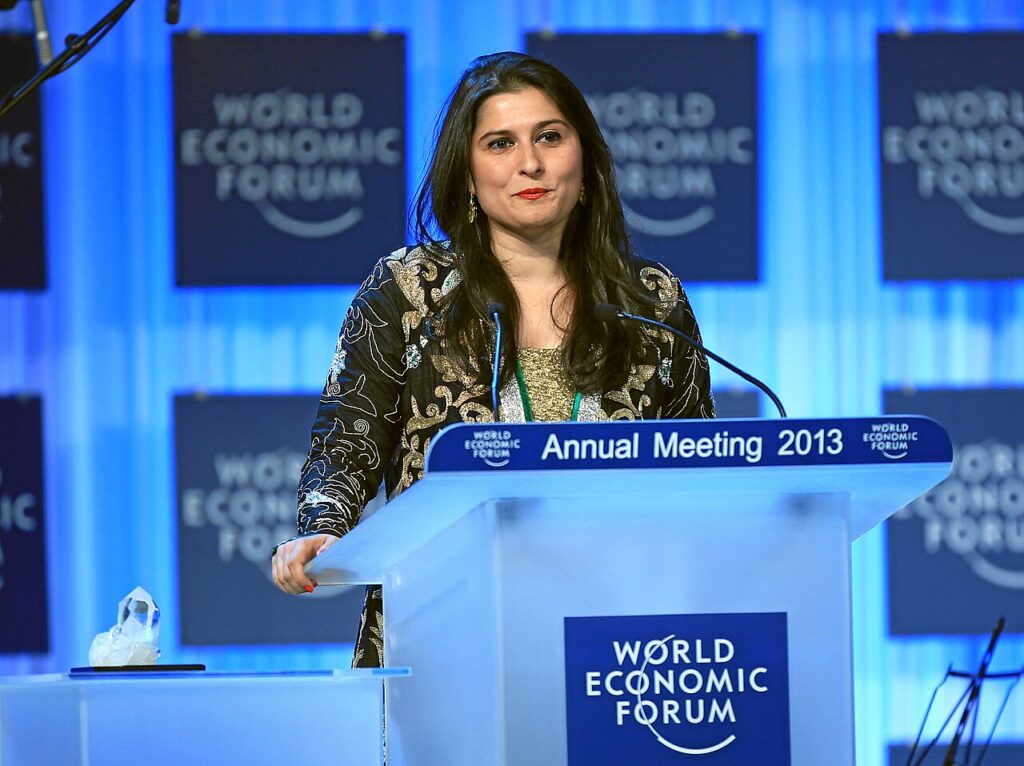
Images counts thirteen Pakistani submissions for this award since 1959, none of which has been nominated. The closest it has come is Saim Sadiq’s Joyland, which in December 2022 became the first Pakistani film to make the category’s shortlist. The country’s actual Oscar wins have come from documentary, but in a different category: Sharmeen Obaid-Chinoy won Best Documentary Short Subject for Saving Face in 2012 and for A Girl in the River in 2016. Submitting a documentary for International Feature therefore plays to the form in which Pakistani filmmakers have the strongest record with the Academy.
The category does allow it, and there is precedent for success: Denmark’s animated documentary Flee was nominated for International Feature, Documentary Feature and Animated Feature in the same year. The competition is, however, mostly fiction from countries with far larger industries and campaign budgets, and international distribution through Abramorama in the US and Dogwoof in the UK gives Hanging by a Wire a better chance than most Pakistani entries have had of actually being seen by voters. For readers who want to place it within the wider revival of Pakistani cinema, our guide to Pakistani feature films worth watching and our piece on The Legend of Maula Jatt trace how far the industry’s ambitions have shifted in a decade.
Why the selection is the right one
By choosing a film that tells a story from Pakistan rather than one that explains the country to outsiders, the selection committee made the right call. Hanging by a Wire is not the deepest film that could have been made about Allai, and its critics are correct that it trades context for momentum, but it is an accomplished piece of filmmaking that puts a remote Pakistani community and its own rescuers at the centre of an international thriller. That has rarely happened before, and the decision to build the film around villagers’ own phone footage gives the people of Allai a share in telling their story that foreign coverage of the region seldom offers.
Its Oscar prospects are modest, as they are for most first-time documentary entries in a fiction-dominated category, and a shortlist place in December would already be a strong result. The more lasting test is at home. The film has so far played mainly abroad, and its value will be clearer once audiences in Khyber Pakhtunkhwa and the rest of Pakistan can watch it and judge whether Naqvi’s thriller does justice to a day many of them followed live.
Where to watch: Abramorama (US) and Dogwoof (UK) are handling cinema releases, and Aaj News reports that a Paramount+ streaming release is planned for later in October.


