

In the final episode of Zanjeerain, which aired on HUM TV in the second week of September, Sarbuland finds Rabiya at her lowest and asks her to stop treating grief as a life sentence. Loving again, he suggests, would not mean forgetting Mudassir. The serial had reportedly crossed a billion YouTube views in August, and two weeks after the finale Ishtiaq announced an audio retelling on her own YouTube channel, as The Express Tribune reported on 24 September.
That consoling turn is a familiar one. Fifteen years separate it from Humsafar, the 2011 serial that made Ishtiaq the best-known name in Pakistani television writing. In between she has written a family saga set in a Baltistan palace, a serial about child sexual abuse that the regulator tried to rein in, an ARY blockbuster and now a feud drama on a larger scale than anything she had attempted. Few writers have stayed commercially reliable for that long with such a recognisable signature.
Read in sequence, Farhat Ishtiaq dramas follow a clear pattern. Her best work happens when the romance is made to carry something heavier than itself, whether abuse, grief or the cost of a family’s pride. Her weakest moments come when romance is allowed to excuse a man’s temper or to resolve problems it cannot really solve.
From Khawateen Digest to Humsafar
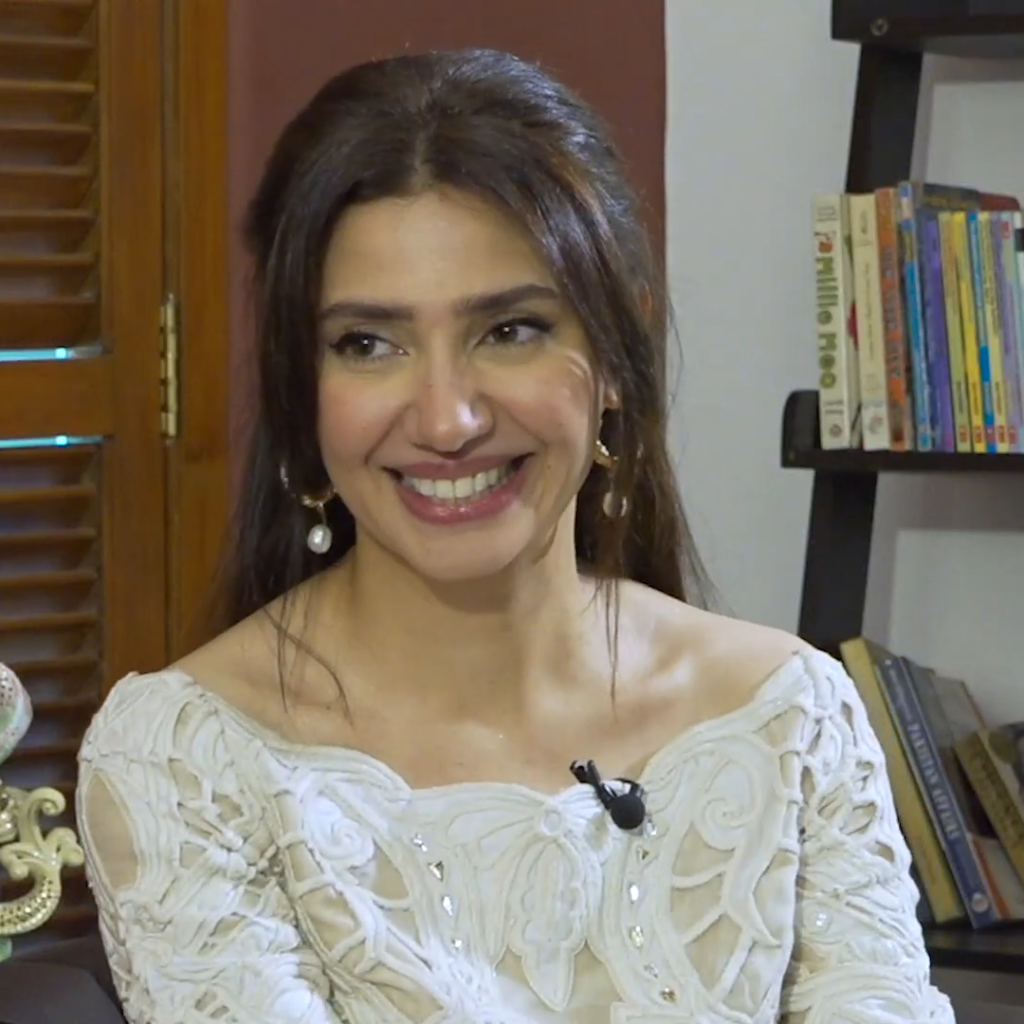
Ishtiaq was born in Karachi in 1980, spent part of her childhood in Japan and trained as an engineer before leaving that career to write. Like Umera Ahmed, she came up through the digest world, publishing short stories in Khawateen Digest and then novels that sold well long before television found them. In a 2013 Dawn profile by Maleeha Hamid Siddiqui, she was unapologetic about writing romantic stories about decent, educated people, and saw no harm in fantasy if it made readers happy. The profile also described how Momina Duraid pushed her to add characters and rework scenes when adapting Humsafar, the start of a partnership with MD Productions that has shaped most of her career.
Humsafar, directed by Sarmad Khoosat and broadcast over 23 episodes between September 2011 and March 2012, gave Fawad Khan and Mahira Khan the roles that defined them. Its later life abroad is part of the story we traced in our piece on Pakistani dramas that found an audience in India. Watched now, though, its moral arithmetic is harder to accept. Khirad’s suffering is resolved not by her own choices but by Ashar’s eventual discovery that he was wrong, and his cruelty is forgiven with remarkably little reckoning. The activist Abira Ashfaq argued at the time that its appeal rested on a deeply patriarchal frame, and that criticism has aged better than much of the praise.
Diyar-e-Dil and the patriarch in the palace
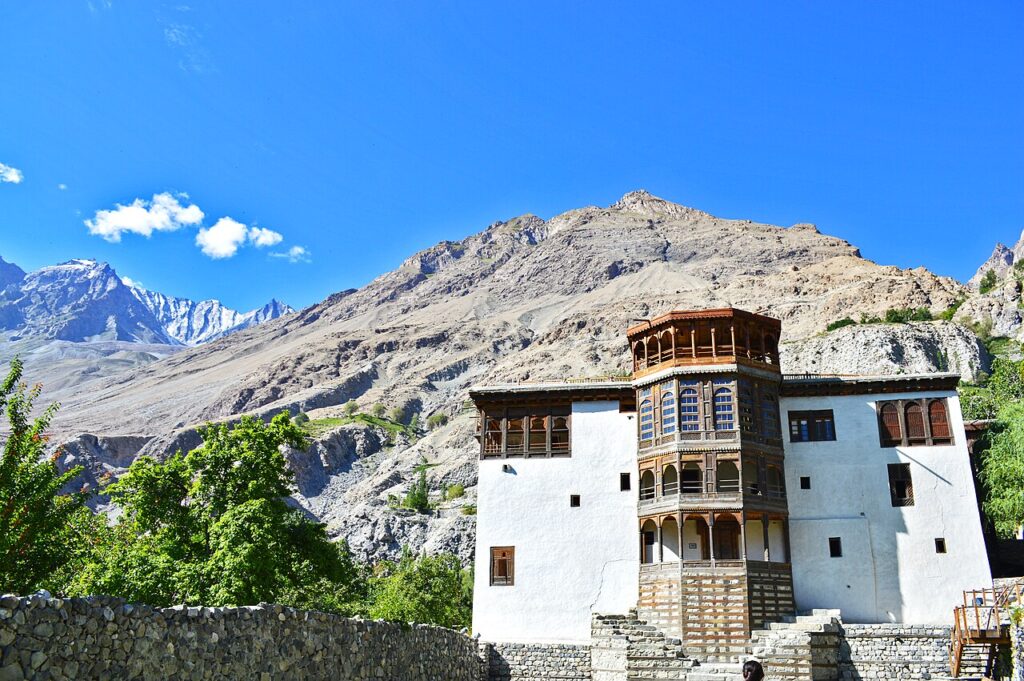
Diyar-e-Dil (2015) was Ishtiaq’s first great ensemble. Directed by Haseeb Hassan and shot largely at Khaplu Palace in Baltistan, it follows the family of Agha Jaan, played by the late Abid Ali, whose son Behroze breaks with him over an arranged marriage. Two decades later Wali and Faarah (Osman Khalid Butt and Maya Ali) are married to each other in an attempt to mend the rift. The serial won Best Drama Serial at the Hum Awards and Best TV Play at the Lux Style Awards.
It is her most satisfying piece of storytelling because the romance is never the whole point. The real subject is a patriarch’s pride and what it costs three generations, and the love story works because it is set against that history. Writing for Dawn, Sadaf Haider credited the production with bringing the story to screen with seamless ease, and the palace does much of the emotional work as both a home and a monument to Agha Jaan’s authority. The weakness is length: across 33 episodes the reconciliation is deferred and deferred again, until the final stretch repeats beats it had already earned.
Udaari and the risk that changed her reputation
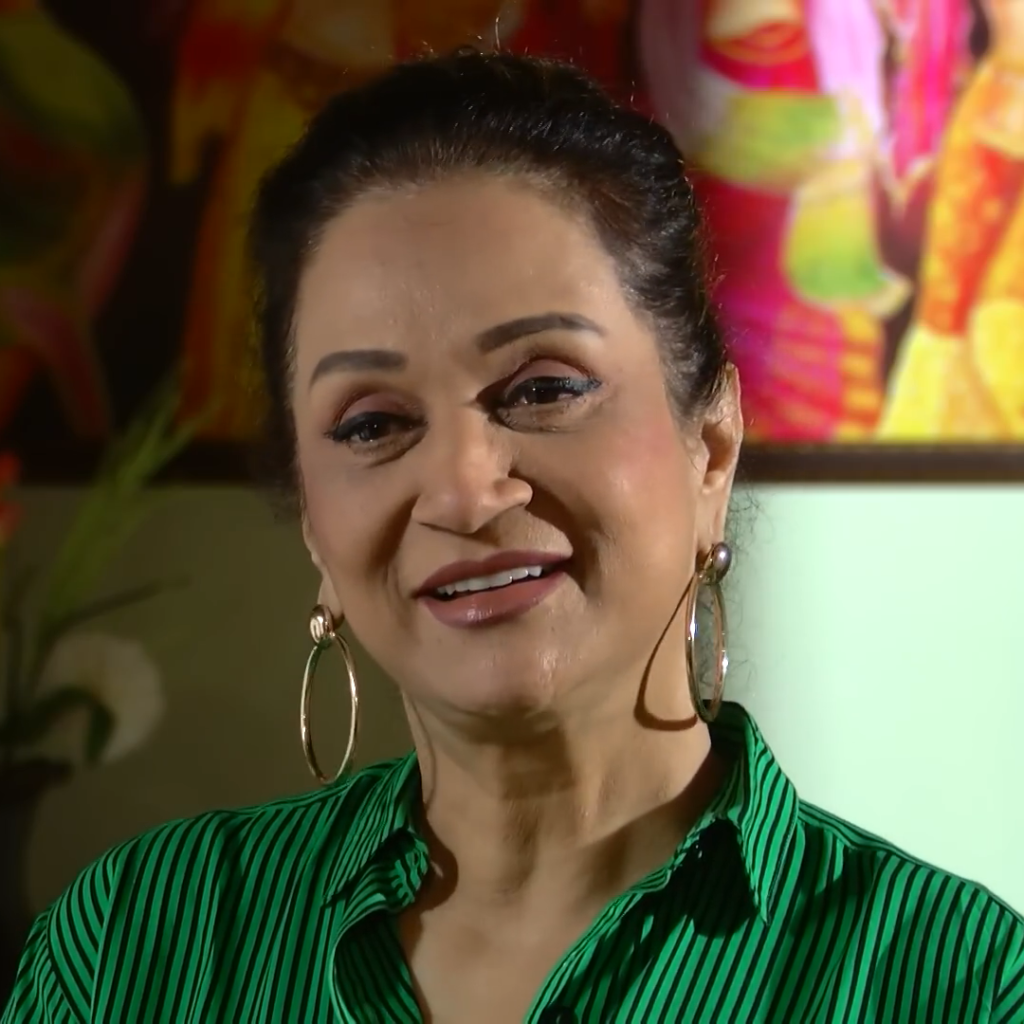
Udaari, which ran on HUM TV in 2016 under the director Mohammed Ehteshamuddin, made it impossible to dismiss Ishtiaq as only a romance writer. Set among working-class musicians in rural Punjab, it follows Imtiaz (Ahsan Khan), who marries the widow Sajida (Samiya Mumtaz) and abuses her young daughter Zebo (Hina Altaf), while Bushra Ansari’s folk singer Sheedan gives the serial its warmth. In May 2016 PEMRA issued a notice over its content; Momina Duraid defended the show and the notice was withdrawn after public support. Ishtiaq won Best TV Writer at the Lux Style Awards, and Ahsan Khan’s turn remains one of the decade’s most discussed villain performances, as we noted in our survey of Ahsan Khan’s drama career. It sits naturally beside the serials in our list of Pakistani dramas that took on taboo subjects.
The obvious literary precedent is Manto, whose stories insisted on naming the violence that respectable society preferred to leave unsaid. Udaari attempts something similar within the limits of prime-time television, and its bravest decision is to keep Imtiaz charming and plausible, so that the family’s failure to see him becomes part of the indictment. Its limitation is the familiar instinct to soften. The romance between Meera (Urwa Hocane) and the lawyer Arsh (Farhan Saeed) takes up time that could have gone to Zebo’s recovery, and the courtroom resolution is tidier than the subject deserves. Even so, this is the serial in which her craft and her nerve are most fully aligned.
Temper, trauma and the Ishtiaq hero
The men in her serials are often wounded, and the wound tends to come out as anger. Yaqeen Ka Safar (2017), her first television serial with the director Shahzad Kashmiri, paired Sajal Aly as Zubia, a medical student and trauma survivor, with Ahad Raza Mir as Asfandyar, a man hardened by his own losses. In a December 2017 piece for Images, Maria Kari argued that Asfandyar was the leading man Pakistani dramas had been missing, a hero with his own arc rather than a romantic prop, while noting that his outbursts at Zubia and the hospital staff felt overwritten. When a teaser for Yeh Dil Mera (2019) appeared to show workplace harassment, Ishtiaq told critics that she would never romanticise harassment or misogyny, as Images reported that October. The episode showed why the question keeps returning to her work: her romances depend on intensity, and she does not always draw the line between an intense man and a controlling one clearly enough.
Kabhi Main Kabhi Tum and the mass audience
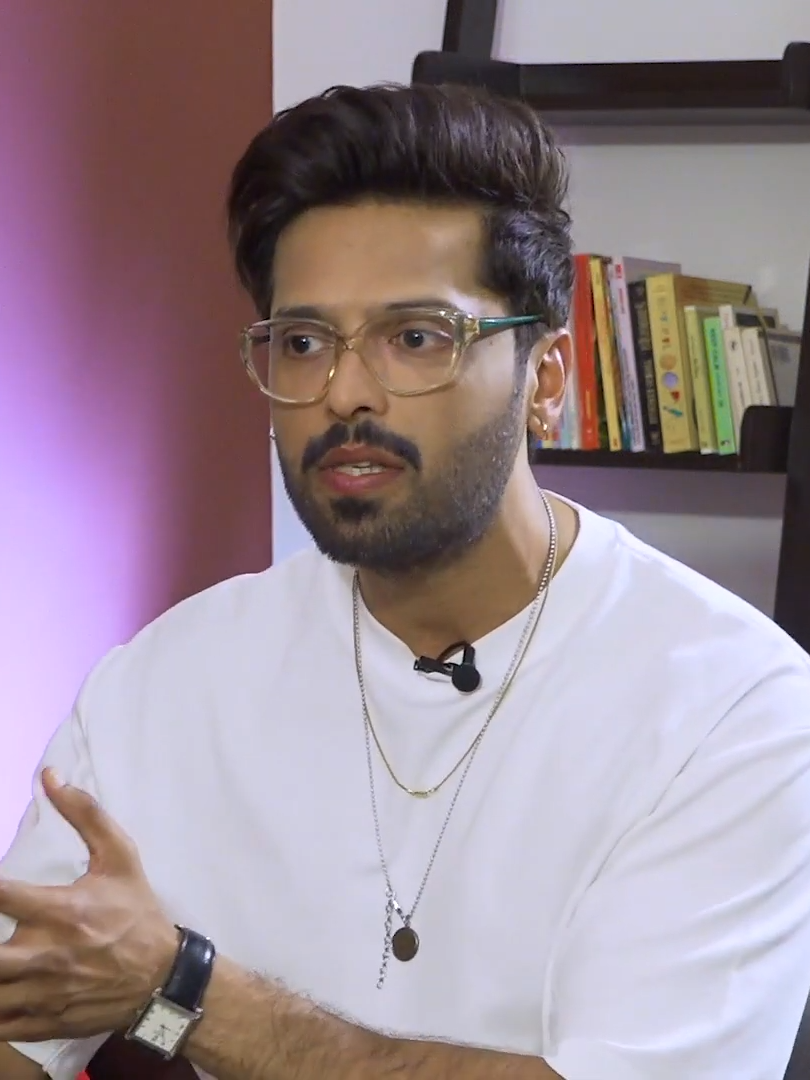
Kabhi Main Kabhi Tum, which aired on ARY Digital from July to November 2024, was the biggest popular success of her later career. Directed by Badar Mehmood and produced by its lead, Fahad Mustafa, it follows Mustafa, the underachieving younger son, who marries Sharjeena (Hania Aamir) after his ambitious brother abandons her for a wealthier match. The achievement is one of tone: a marriage worked out through argument, humour and small loyalties, with Hania Aamir’s quick, unsentimental Sharjeena among Ishtiaq’s best heroines. The trade-off is that it runs on a very old fantasy, the dismissed son who turns out to be the best man in the house. That is exactly the kind of wish-fulfilment Ishtiaq defended in her 2013 profile, and it explains both the ratings and why the serial feels slighter in retrospect than it did week to week.
Zanjeerain: a familiar writer on a larger canvas
Zanjeerain premiered on HUM TV on 29 April 2026 in the Wednesday and Thursday slot and ran for 39 episodes, reuniting Ishtiaq with Momina Duraid and Shahzad Kashmiri. Sajal Aly plays Rabiya, who runs a roadside dhaba with her brother, and Danyal Zafar plays Sarbuland, the son of a family caught up in a long feud. Ameer Gilani’s Mudassir, whom Rabiya marries, is murdered by Torsam (Usman Javed), a man obsessed with her, and the story follows her through grief and danger as the feud between Sherdil (Ahsan Khan) and Zafran Khan (Adnan Siddiqui) escalates.
It is the most physically expansive serial she has written, and Sajal Aly’s performance drew most of the attention; The Express Tribune reported in early September that her long-awaited confrontation with Torsam in episode 37 was widely praised. The problems are structural. Thirty-nine episodes is a long time to sustain a revenge plot, and as Minute Mirror noted after the finale, many viewers felt that cuts to supporting characters and scenes left several tracks without proper closure. The last episode then turns back to romance, which is consistent with everything Ishtiaq has written but blunts the serial’s most serious idea, that grief and violence leave marks a new marriage cannot simply repair.
Where to watch: Zanjeerain is available in full on HUM TV’s official YouTube channel, and Kabhi Main Kabhi Tum on ARY Digital’s.
Where Farhat Ishtiaq’s work stands
Taken together, these serials show a writer more consistent than her reputation suggests. Ishtiaq has always written romance and never pretended otherwise; what changes is how much weight she lets it bear. In Udaari and Diyar-e-Dil, love is one force among several, tested against abuse, class and pride, and those serials hold up best. In Humsafar and the closing stretch of Zanjeerain, romance becomes the answer to problems it cannot solve, and the writing is weaker for it. Readers of our guide to Bee Gul’s dramas will notice the contrast between a writer who withholds comfort and one who wants her audience consoled.
For viewers coming to her work fresh, I would start with Udaari, then Diyar-e-Dil, and treat Humsafar as essential history rather than her best serial. Zanjeerain is worth watching for Sajal Aly and the ambition of its production, with the understanding that its final stretch settles for less than its opening promised. Her next major project, the Netflix series Jo Bachay Hain Sang Samait Lo, adapted from her own novel and produced by Momina Duraid, will show whether that instinct for consolation holds in a shorter format made for a global audience, without the long, forgiving final stretch that a weekly HUM TV serial allows.


