

In the final episode of Aik Aur Pakeezah, Pakeezah wears tea pink. It is a small choice, and it carries more than a speech about new beginnings would. After twenty-seven episodes of a woman being told what her body, her clothes and her face on a stranger’s phone screen say about her, the colour does the talking, and Bee Gul trusts the viewer to hear it.
That trust runs through all of her work. Most serials on our channels are written for a viewer half-listening from the kitchen, so every feeling gets said out loud, twice. Bee Gul writes for the viewer who is sitting down. Her scripts leave gaps, and the gaps are where the drama happens.
For viewers who know only one of her shows, this guide looks at the rest of Bee Gul’s dramas: what connects them, where to start, and where she can test an audience’s patience.
What makes a Bee Gul script
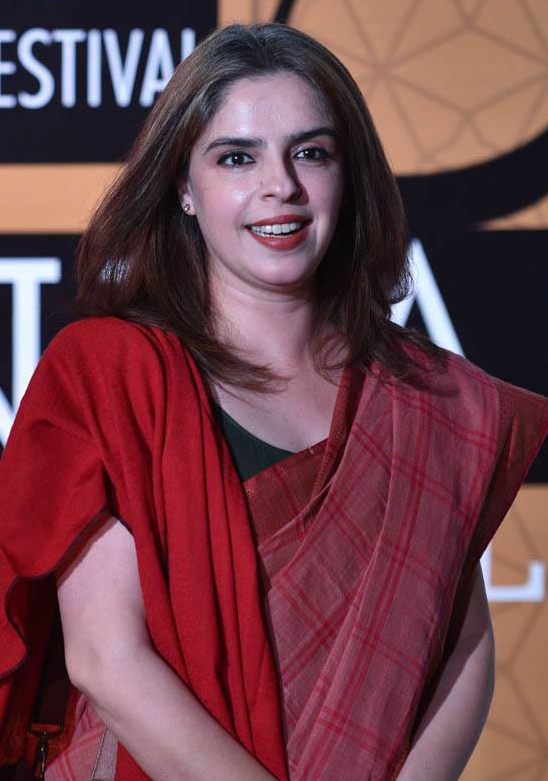
She is a Lahori, a Kinnaird graduate, and teaches scriptwriting and film analysis as visiting faculty at the National College of Arts. The classroom shows in her work, in the good sense. Scenes are built rather than filled. Dialogue is sparse and often oblique; characters say the second-most-important thing and leave the first one hanging.
Her subject, again and again, is what happens to women inside homes that look respectable from the street: abuse, shame and the policing of reputation. Plenty of writers have covered this ground; the difference is that Bee Gul refuses to offer bechargi as entertainment. Her women suffer, but the camera is never invited to enjoy it.
She is also one of the few television writers here who openly works from literature. Her early serial Talkhiyan (Express Entertainment, 2012, directed by Khalid Ahmed, with Sanam Saeed) adapted Arundhati Roy’s The God of Small Things, moving Ammu and Rahel into a Pakistani household. Dilara (2018) came from Munshi Premchand’s Nirmala. For a medium that usually adapts digest novels, that is a statement of intent. Viewers who keep a stack of Pakistani novels by the bed are her natural audience.
Where to start with Bee Gul’s dramas
Dar Si Jaati Hai Sila (HUM TV, 2017–18)
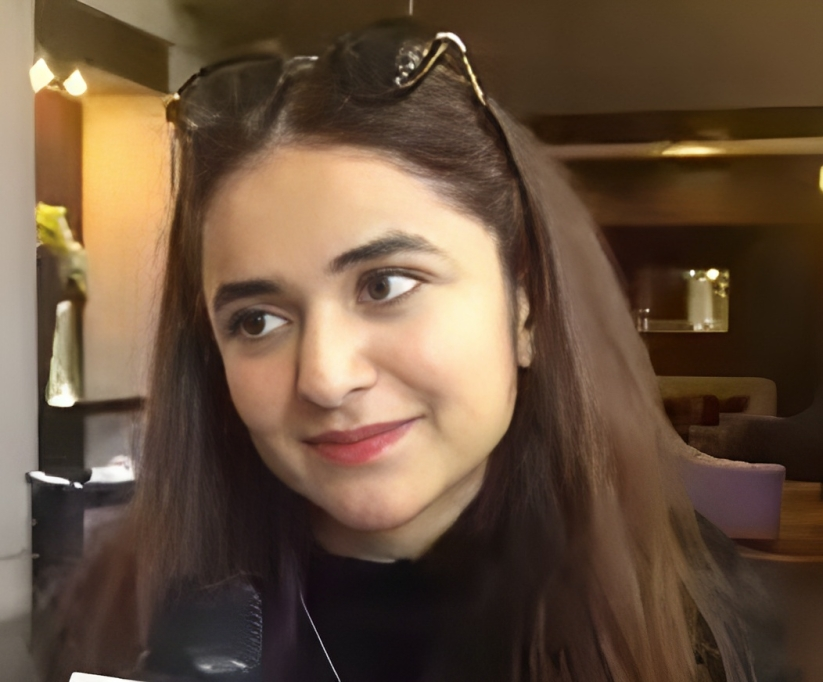
This is the serial that made her name: twenty-five episodes, directed by Kashif Nisar, with Yumna Zaidi as Sila and Nauman Ijaz as Jawad, the man inside the family whose attention she cannot escape and nobody else will see. It is a drama about abuse in which the most frightening scenes are the polite ones, set in drawing rooms where everyone is behaving well.
It won Bee Gul Best TV Writer and Nisar Best TV Director at the 2019 Lux Style Awards, and it deserved both. The trade-off is pace. The story holds its breath for a very long time, and some viewers will find the middle stretch airless rather than tense. The discomfort is the point, but it asks a great deal of an audience watching week to week.
Raqeeb Se (HUM TV, 2021)
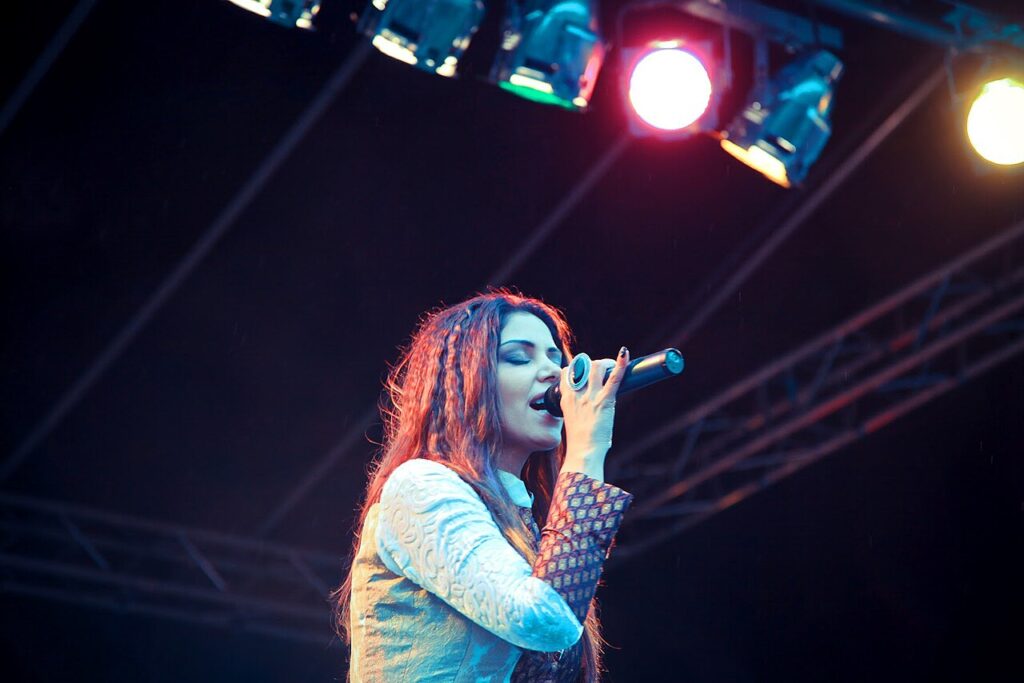
This is her most elegant script and the best first Bee Gul drama. Its twenty-three episodes aired from January to May 2021: Sakina (Hadiqa Kiani, in her acting debut) leaves an abusive husband and lands, with her daughter, on the doorstep of Maqsood (Nauman Ijaz), the man she once loved. His wife Hajra, played by Sania Saeed with extraordinary stillness, has to decide what kind of woman she will be about it.
The title shares its name with Faiz’s nazm addressed to a rival, and the serial has the manners of that poem: longing held at arm’s length, rivalry that turns into something closer to understanding. Kiani also sang and composed the title track, with lyrics by her mother, Khawar Kiani. The weakness is the back half, where the conflicts circle rather than deepen and a few performances start repeating their best notes. It still tied with Parizaad for the most nominations (seven) at the 21st Lux Style Awards, and Nisar won for direction again.
Aik Aur Pakeezah (Geo, 2026)
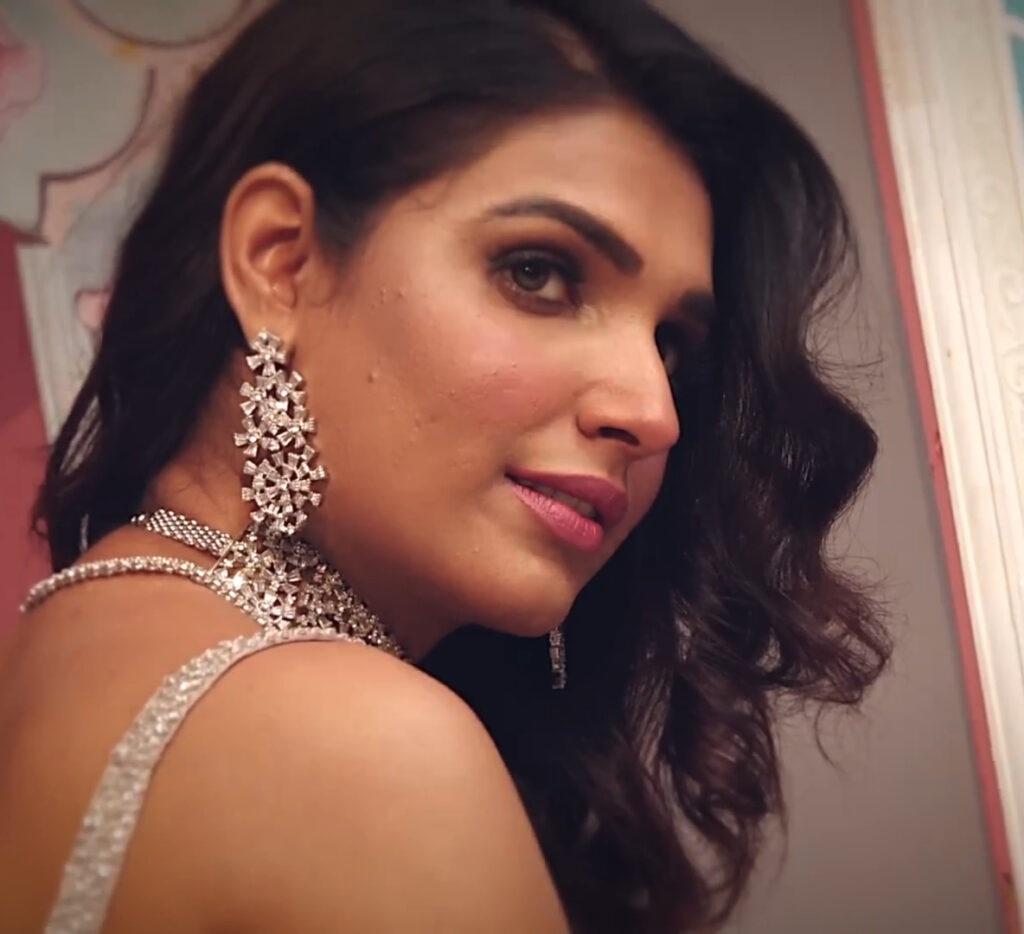
Her newest serial is also the one most worth discussing now. It premiered on 14 January 2026 in Geo’s Wednesday and Thursday 8pm slot and ran for 27 episodes, produced with the Kashf Foundation, the same organisation behind Udaari. Sehar Khan plays Pakeezah, a newly qualified lawyer; Nameer Khan is Faraz. A man films them in a private moment, the clip goes viral, and the two are pushed into marriage as damage control. Predictably, only Pakeezah is punished for it by the people around them.
Nadia Afgan, as Pakeezah’s mother, gives the performance of the serial. Amna Ilyas and Gohar Rasheed play the barristers who eventually take the case.
The title is well chosen. Pakeezah means pure, and anyone raised on Kamal Amrohi’s 1972 film remembers another woman whose respectability was decided by men. Bee Gul’s heroine does not wait for a nawab to rescue her name; she takes the matter to court.
It has real problems, and the critics were right about where it sags. As Images Dawn’s review noted, the courtroom only arrives around episode 21, the middle leans on repeated dialogue, and several threads are tied up in a hurry in the finale. A serial about the slowness of justice can be slow on purpose, but not for six episodes.
The Kashif Nisar partnership
Her three best-known serials share a director, and it is not an accident. Kashif Nisar shoots Bee Gul the way she writes: long takes, rooms that feel lived in, actors allowed to go quiet. When the Aik Aur Pakeezah team spoke to Dawn’s ICON, Nisar said he had not come across a script that intelligent in a long time, and the respect shows on screen. He does not underline her subtext with a zoom and a sound effect.
The pairing has made both of them better, but it has also made the work feel of a piece. Viewers who were not moved by Dar Si Jaati Hai Sila are unlikely to be converted by Raqeeb Se or Aik Aur Pakeezah, because the rhythm is the same, and it is a rhythm an audience either leans into or fights.
Where Bee Gul can frustrate
The most persistent weakness is structural. Each of her long serials has a stretch in the middle where the story idles; her structure is novelistic, and television is not always kind to a long second act. The endings have the opposite problem, because after episodes of patience the resolutions can arrive all at once, as if the channel had called time. Her men are a further limitation. They tend to be either threats or sympathetic bystanders, defined by what they do to or for her heroines rather than on their own terms, and that makes the moral world of the serials narrower than her women deserve.
Aik Aur Pakeezah adds a newer pressure. As a social-impact project made with the Kashf Foundation, it occasionally lets the brief show through the storytelling. None of this cancels what she does well; it is the price of a writer who would rather be precise than comfortable.
Bee Gul and the women-centred drama
We have had serious dramas about taboo subjects before. Udaari and a handful of others broke ground that CurryFlow has written about in its list of Pakistani dramas that tackle taboo topics. What Bee Gul adds is interiority. Her women are not case studies. Hajra’s jealousy in Raqeeb Se is petty and human; Sila is more than the thing done to her; Pakeezah is a confident young lawyer before she is anything else, and she stays one when the world decides she is only a scandal.
That is a wider shift, too. Set beside the big serials of 2019 and 2020, her work shows the industry slowly learning that a heroine can be difficult and still deserve our loyalty.
Where to begin with Bee Gul
Raqeeb Se is the natural place to start: it is her most controlled script and the easiest way into her rhythm. Aik Aur Pakeezah should come next, for Nadia Afgan’s performance and that final colour change, even if its middle tests the patience. Dar Si Jaati Hai Sila, the most demanding of the three, is best kept for when a viewer is ready to sit with discomfort for 25 episodes. Bee Gul is at her best when she trusts viewers to understand what is left unsaid, and Pakistani television would benefit from more writers willing to do the same.
Where to watch: Aik Aur Pakeezah is on the official Har Pal Geo YouTube channel; Dar Si Jaati Hai Sila and Raqeeb Se aired on HUM TV, whose official YouTube channel is the place to look. For her full credits, Bee Gul’s Wikipedia page keeps an up-to-date list.


