

In the first episodes of Ankahi, Sana Murad takes an office job she is plainly not ready for. Her younger brother needs heart surgery, the family has no money, and so a graduate with more confidence than experience walks into a company where every task she touches seems to go wrong in front of her boss. Audiences in 1982 laughed at her mistakes, but the joke was never on her. Sana is clever, outspoken and stubborn, and the serial treats her need to earn a living as the most natural thing in the world.
That premise is a good way into the dramas of Haseena Moin, who wrote Ankahi and, across five decades, a long list of serials that many Pakistanis still quote from memory. She died in Karachi on 26 March 2021, aged 79. The obituaries remembered her for Tanhaiyan, Ankahi and Dhoop Kinare, and for the women at the centre of them, characters who studied, worked, argued and wanted things for themselves at a time when television heroines were more often defined by patience and suffering.
The usual tribute to Haseena Moin calls her heroines “strong” and leaves it there. The more useful point is how she made them strong. She did it through comedy, which let her heroines be wrong, clumsy and loud without being punished for it, and that choice explains both why her best serials have aged so well and where their limits lie.
From Radio Pakistan to PTV’s first original script
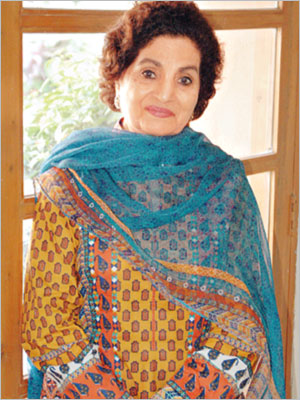
Haseena Moin was born in Kanpur in November 1941 and moved with her family to Pakistan after Partition, settling in Karachi in the 1950s. She took a master’s degree in history from Karachi University in 1963 and wrote skits for Radio Pakistan’s Studio Number 9 while building a career in education. Her move into television came in 1969, when Iftikhar Arif, then heading the script department at PTV Karachi, asked her for an Eid play.
What followed changed the way PTV made drama. Until the early 1970s its serials were mostly adaptations of novels, and her own first serial, Shehzori, was drawn from Azeem Beg Chughtai. Kiran Kahani is widely described as PTV’s first original script. Even her later adaptations show a reader’s range: Parchhaiyan, with Sahira Kazmi in the lead, reworked Henry James’s The Portrait of a Lady, a novel about a spirited young woman whose freedom is tested by marriage. Isabel Archer is an unexpected ancestor for a Karachi serial, but the question James asked about her, what an intelligent woman does with her independence, runs through almost everything Moin wrote afterwards.
Ankahi: a working woman as the comic lead
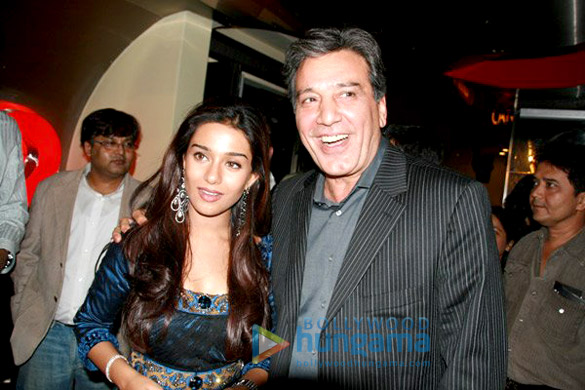
Ankahi, directed by Shoaib Mansoor and Mohsin Ali, aired on PTV between March and May 1982 and remains the purest example of her method. Shehnaz Sheikh plays Sana opposite Shakeel as her boss, Taimoor, with a young Javed Sheikh as Faraz, the admirer who takes a job in the same office simply to be near her. Around them Moin built a household of comic types: Jamshed Ansari’s Timmy, the neighbour pressed into service as a butler, and Behroze Sabzwari’s Moby, the cousin who arrives from America with his mother pretending to be rich. The serial won Nigar Awards for Shehnaz Sheikh and for Moin’s writing.
What makes Ankahi work is that the comedy never undercuts Sana’s dignity. Her blunders at work are funny because she refuses to be intimidated, and the serial never asks her to become meeker in order to be liked. It is also more serious than its reputation suggests. The title means “the unsaid”, and beneath the office farce sit a sick brother, a family short of money and a love that goes unspoken for most of the story. Moin keeps those notes quiet, which is part of the charm, though it means the financial pressure that drives the plot is resolved with a lightness that real families rarely enjoy.
Tanhaiyan: two sisters and the house they lost
If Ankahi is Moin at her most playful, Tanhaiyan, directed by Shahzad Khalil for PTV in the mid-1980s, is where she pushed comedy closest to grief. Zara and Sanya lose their parents in a car accident and, with them, the family’s money and home, and they move in with their aunt in Karachi. Shehnaz Sheikh’s Zara throws herself into earning enough to buy the house back, while Marina Khan’s more mischievous Sanya carries much of the humour. Marina Khan won a Nigar Award for the role, and the serial went on to be shown on BBC2 in Britain in 1992.
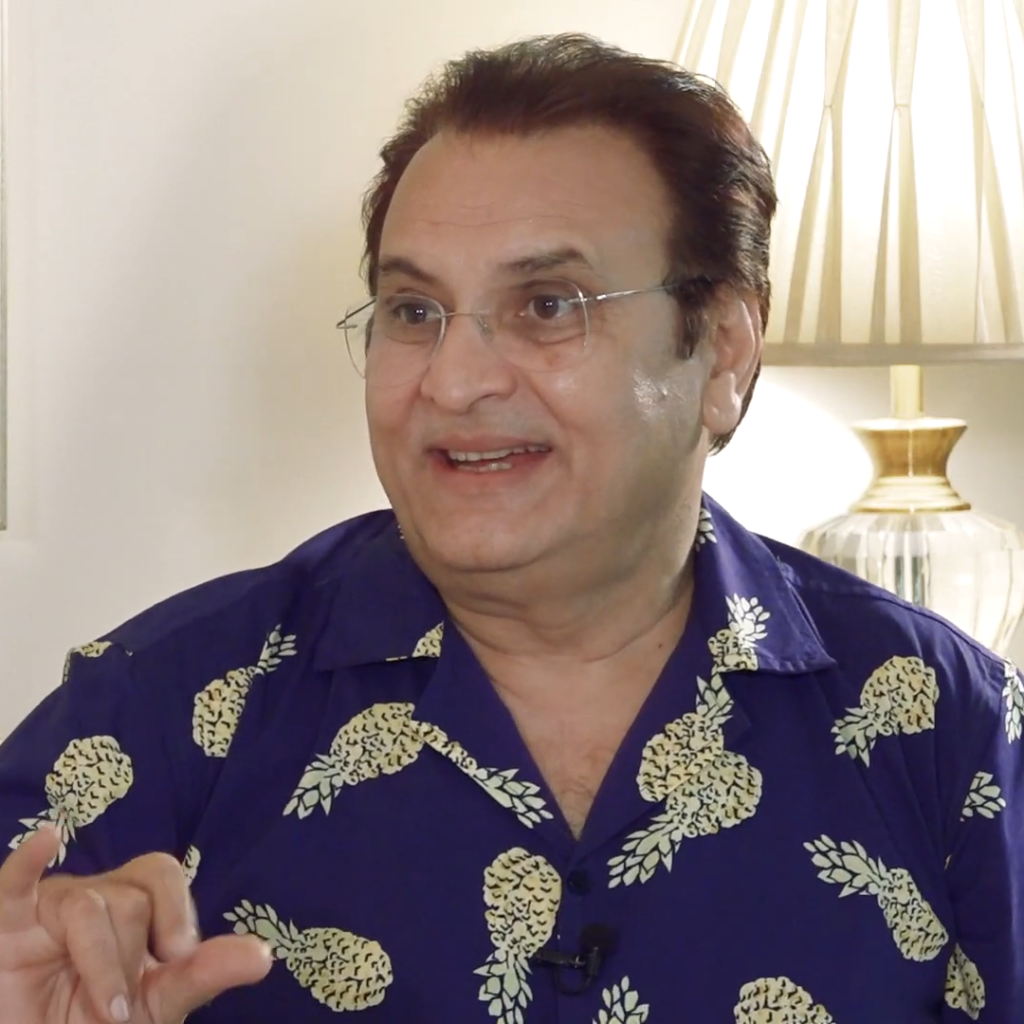
The supporting cast is where Tanhaiyan became folklore. Behroze Sabzwari’s Qabacha, the shy secretary whom Sanya never stops teasing, and Jamshed Ansari’s Buqrat, the servant who dispenses confident and usually useless advice, are still recognised by people who were children when the serial first aired. In his tribute for The News on Sunday in March 2021, the critic Omair Alavi singled out these characters, together with Moin’s heroines, as the reason her work has stayed in popular culture.
Seen today, Zara’s story is the serial’s most interesting and most troubling thread. Her ambition is real and sympathetic, yet the plot treats it as a fault to be corrected: once she finally buys the house, she is overwhelmed, runs from it and is injured, and the drama turns towards repairing the relationships she neglected. It is moving television, but it quietly suggests that a woman’s drive must be paid for in a way a man’s would not. Moin allowed her heroines more freedom than most writers of the period, and Tanhaiyan shows that the freedom still came with conditions.
Dhoop Kinare and the romance of competence
Dhoop Kinare, produced and directed by Sahira Kazmi in 1987, completes the trio and is often named among the best Pakistani dramas of all time. Marina Khan plays Dr Zoya, an impulsive intern, opposite Rahat Kazmi’s reserved senior doctor, Ahmer Ansari, and the romance grows through work, in a hospital where Zoya’s competence matters as much as her charm. Set beside Ankahi, it shows Moin moving her working heroine from an office farce to a profession with real stakes, although the gap in age and seniority between Zoya and Ahmer, with him so often cast as mentor and corrector, reads less comfortably now than it did in 1987. The serial travelled far: Sony Entertainment Television remade it in India as Kuch Toh Log Kahenge in 2011, and in Gulf News in August 2026 Areeba Hashmi recalled PTV serials such as Dhoop Kinare reaching families in the UAE on videocassettes passed from house to house. Its romance, its Faiz ghazal and its long afterlife are the subject of CurryFlow’s rewatch of Dhoop Kinare.
What her dramas leave out, and what later writers took from her
Moin’s own range was wider than these three comedies suggest. In the early 1990s she wrote Aahat, a serial on family planning, and Tansen, a historical drama, and in 1991 she wrote the dialogue for Raj Kapoor’s Henna, recommending Zeba Bakhtiar for the lead. Writing again in Dawn’s Icon in April 2021, Alavi argued that she leaned towards comedy more than social questions, unlike her contemporary Fatima Surayya Bajiya, and that her heroines stood shoulder to shoulder with men. Both observations are fair. Her best-loved serials take place in comfortable, educated Karachi households, poverty arrives as a plot device rather than a condition, and nearly everything ends happily.
Her later career also shows how hard her tone was to reproduce. When Tanhaiyan Naye Silsilay revived the serial in 2012, Moin wrote the opening episodes, handed the rest to another writer while she was abroad, and later distanced herself from what the sequel became. Her real influence shows up elsewhere, in serials that let women be funny, ambitious and imperfect at the same time. Writers as different as Farhat Ishtiaq and Bee Gul work in a medium that Moin helped to persuade that such women were worth watching.
Where to start with Haseena Moin’s dramas
For a first encounter, Ankahi is the best entry point: it is the funniest of the three, the most generous to its heroine and the least dated in its politics. Dhoop Kinare comes next for its craft and its music, provided viewers accept that its central romance belongs to its decade. Tanhaiyan is the richest and the most uneven, and I would save it for last, because its comic characters are best enjoyed once the rhythm of Moin’s dialogue feels familiar. All three were re-run by PTV Home in 2020, and readers curious about the actors of that era will find more in our tribute to PTV’s late legends.
Watched together, the three serials make a case that Moin’s comedy was never a retreat from serious subjects but her way of approaching them. Sana’s family crisis, Zara’s grief and Zoya’s inexperience are real problems, and the jokes allow each woman to face them without becoming a victim. The serials have blind spots about class and about what ambition costs a woman, and her heroines are freer than their era but not entirely free of it. Few Pakistani writers have created women whom audiences wanted to be rather than pity, and that achievement is the reason her name still comes up whenever viewers ask what Pakistani television once did well.


