

Whoa! I remember the first time I saw a SOL transfer pop up in my wallet. The NFT’s name didn’t match the image or the mint address. Initially I thought it was a wallet UI glitch, but then I dug into on-chain logs and realized the transaction told a much different story that required follow-up. I immediately wanted to verify signatures, program interactions, and token movements.
Really? A good Solana explorer surfaces those layers very quickly. You can see which programs were called and which accounts were touched. Sometimes the token movement is non-obvious, routed through intermediary accounts or program-derived addresses, and that complexity is what trips people up when they rush to conclusions. An explorer that indexes NFT metadata makes the process easier.
Hmm… I’ll be honest: I used to rely on wallet UI alone. That part bugs me because wallets sometimes hide program calls behind a single ‘send’ label. On one hand a wallet needs simplicity for new users, though actually, when you’re tracking high-value NFTs or suspicious SOL transactions you need transparency and forensic detail that’s only available from an explorer. So I started using third-party explorers as my verification layer.
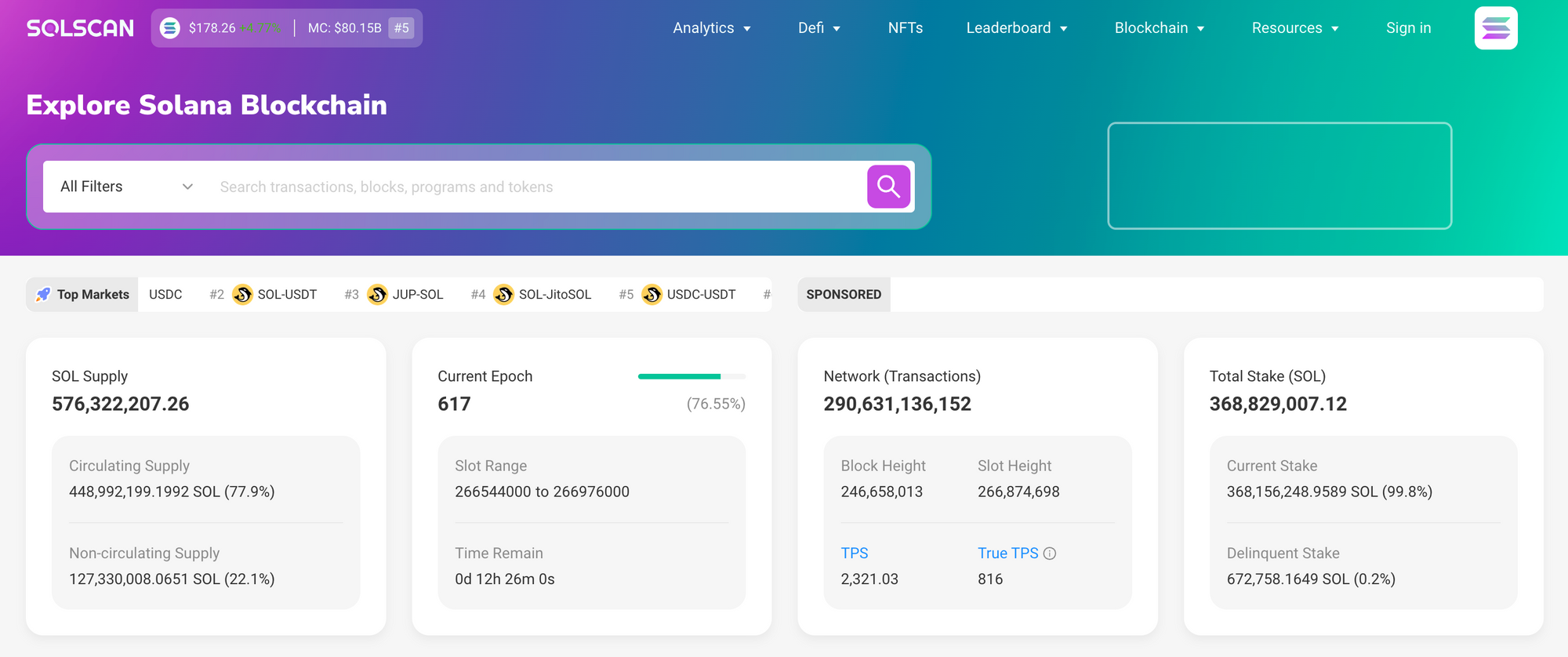
solscan became my go-to when I needed fast, reliable lookups. It surfaces mint addresses, token holders, transfer histories, and program logs. I like that it offers human-friendly metadata views while still exposing raw transaction data, so you can read a friendly NFT title but also drill into the exact instruction sequence if you want to verify authenticity. That combination matters a lot when you’re trying to establish provenance.
How I triage a suspicious transaction
Always check the mint address and holder history first, before trusting a listing. Cross-reference metadata hashes to the hosted JSON and images. If program logs show unexpected instructions or third-party program interactions, pause and trace those accounts, because attackers will often obfuscate flows through intermediary accounts or reuse program-derived addresses to move assets stealthily. Use explorers to export CSVs or use APIs for bulk analysis. (oh, and by the way… sometimes somethin’ small gives the biggest hint.)
Here’s the thing. Solana’s speed helps, but it can also hide suspicious patterns quickly. Large batch transfers can look innocent until you trace the originating accounts. When you follow the breadcrumbs, sometimes you find repeated program interactions from the same coordinator account, or multiple tiny transfers that consolidate into a single withdrawal, and those patterns suggest automated tooling rather than manual trades. That insight often changes how you chose to react and whether you escalate issues.
Hmm… I should say I’m biased — I’m a developer and an occasional collector. My workflows mix CLI tooling with explorer checks and occasional API calls to build evidence. Initially I thought a one-click “verify” button on wallets would be sufficient, but then I realized that any automated verification needs a trustworthy indexer and consistent metadata standards, neither of which are guaranteed across all projects. So I keep a short checklist for quick triage.
Really? Tracking NFT collections needs different tools than checking SOL balances. You want ownership histories, royalty settings, and on-chain metadata hashes. A robust NFT tracker will reconcile off-chain metadata hosting with on-chain pointers, flag suspicious mints, and show whether a token’s metadata has ever been altered or rerouted, which matters when marketplaces index listings. Relying on screenshots alone is dangerous and surprisingly common.
Whoa! I run three quick checks now: verify mint provenance, inspect program logs for odd calls, and confirm metadata hashes match hosted assets. If anything looks off I dig deeper with token holder timelines and related transactions. Sometimes the pattern is obvious; other times it’s subtle and requires stitching together a dozen tiny traces. Either way, a good explorer turns hours of guesswork into minutes of confident answers. It’s saved me on a few trades, very very important ones.
I’ll be honest — not everything is perfect. Indexers lag sometimes, metadata hosting goes down, and projects change minting contracts without clear announcements. I’m not 100% sure any single tool will cover every edge case. But pairing a wallet UI with an explorer and a short manual checklist reduces risk far more than trusting any single source. My instinct says trust, but verify.
FAQ
Which explorer should I use for quick checks?
For me, solscan provides a good balance between readable NFT metadata and raw transaction detail, so start there and learn the patterns it exposes.
What red flags should I watch for?
Unusual program calls, repeated tiny transfers consolidating into withdrawals, mismatched metadata hashes, and newly-created holder accounts that quickly offload assets — each is worth pausing for a deeper dive.
